Hanoi Food Itinerary: How Many Days You Need and a 3-Day Eating Plan
Three days is the honest answer for eating Hanoi properly. Here is the hour-by-hour version, from the 6:30 pho counter to the last bia hoi glass, with what each day costs in dong.
 Written with Mai Trần, Hanoi food tour guide and culinary specialist
Short answer
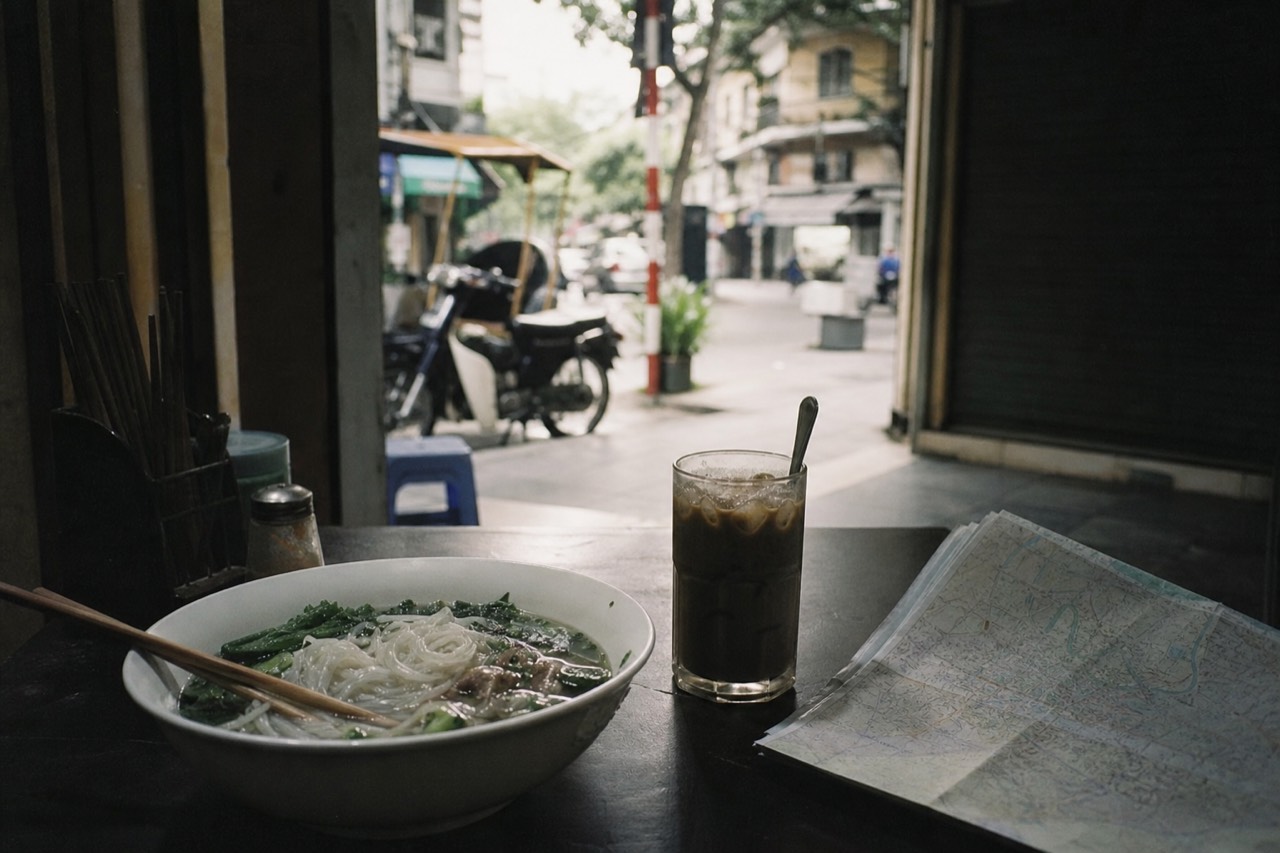
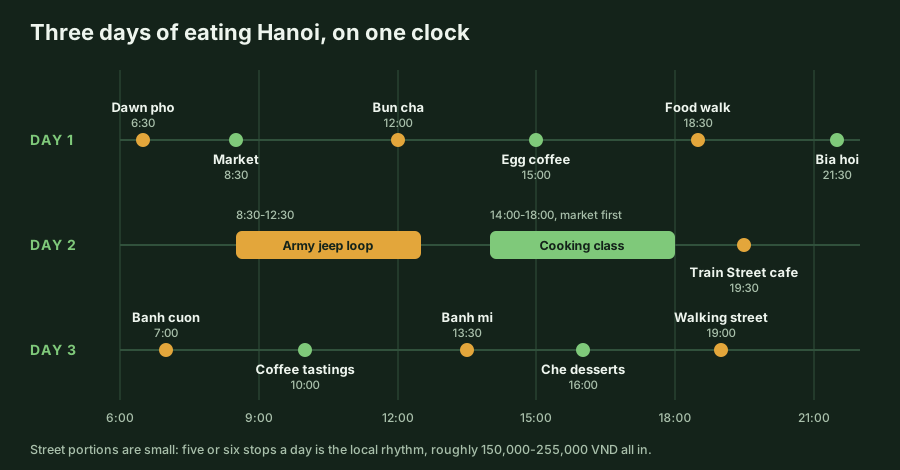
Plan three days for Hanoi's food. That covers dawn pho, a market morning, bun cha and banh mi, egg coffee at the source, an evening street food tour, a jeep or cooking-class day, and a deeper third day of banh cuon, che and coffee tastings. Eating five to six times a day is normal since portions are small, and a full street-food day runs roughly 150,000-255,000 VND, under 10 US dollars.
Hanoi eats on a schedule, and the schedule starts in the dark. By 6 a.m. the pho counters are full, by 6:30 the first batches of the day are running low at famous spots, and a visitor who sleeps until nine has already missed the city's best meal slot. Building an eating itinerary here is really about syncing yourself to that local clock, which is what the three days below do.
How many days do you need in Hanoi?
Three days is the sweet spot for food. Most first-time visitors plan two to three nights before day-tripping onward, and that matches the eating math: day one for the canon, pho, bun cha, egg coffee, a guided night walk, day two for an experience like a jeep tour or cooking class, day three for deeper cuts.
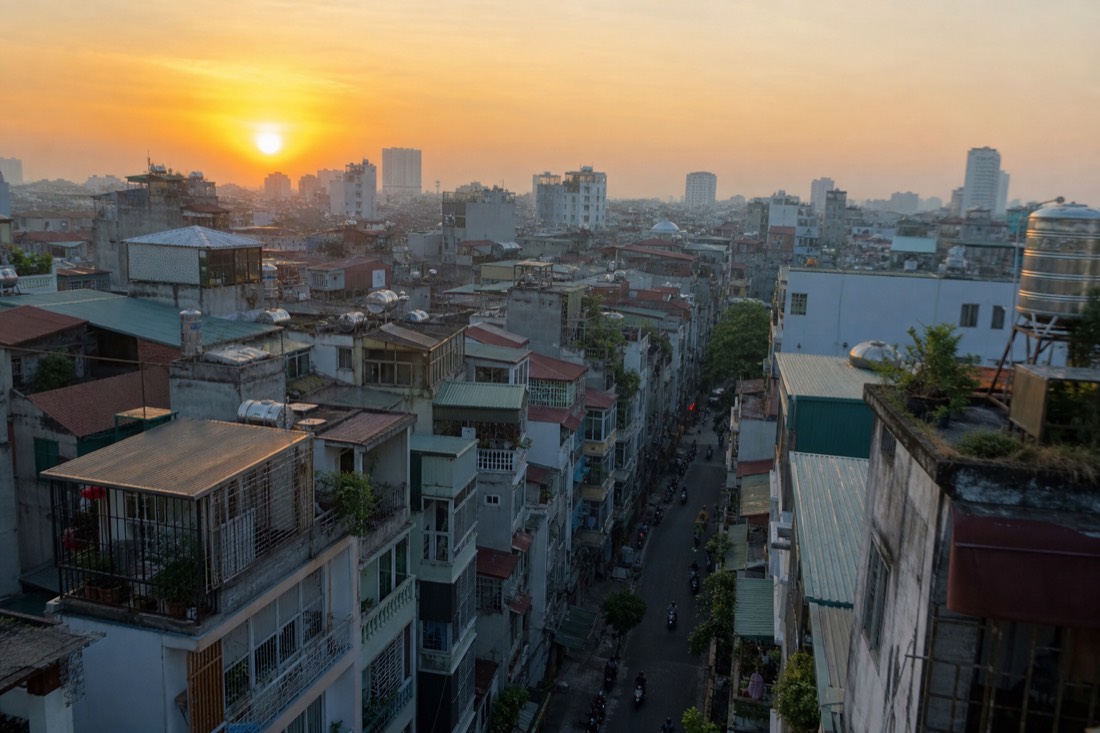
You can taste Hanoi in a single frantic day, and plenty of cruise-stop visitors do. But small portions are the whole design of this cuisine, five or six eating stops a day is a normal local rhythm, and it still takes about eighteen stops to work through the essential list. Two days covers the famous dishes. The third day is where the trip gets good, because that is when you leave the checklist and start eating like the neighborhood does.
Here is the shape of the plan before the detail:
| Day | Morning | Afternoon | Evening |
|---|---|---|---|
| 1 | Dawn pho, market walk | Bun cha lunch, egg coffee | Guided street food walk, bia hoi |
| 2 | Army jeep food-and-culture loop | Cooking class with market visit | Train Street cafe hour |
| 3 | Banh cuon breakfast, coffee tastings | Che dessert crawl, banh mi | Weekend walking street or repeat champion |
What does day one look like, hour by hour?
Day one runs the canon in local order: pho at 6:30 while the broth is freshest, Dong Xuan market at 8:30, bun cha at noon exactly as Hanoi eats it, egg coffee mid-afternoon at its birthplace, then a guided evening walk and a bia hoi nightcap. Six stops, all walkable, under 10 dollars of food.
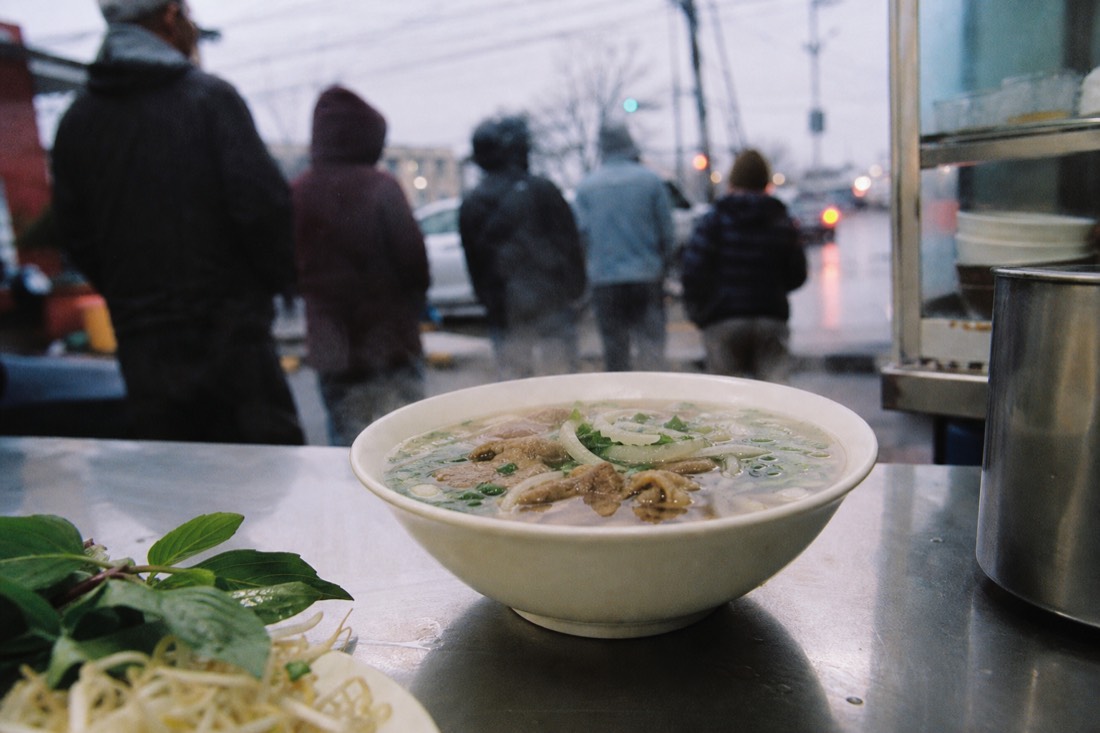
The times matter more than they look. Pho is a breakfast dish here, made in one morning batch at the great counters, and the full pho guide explains why the 6:30 bowl beats the 10:00 one. Bun cha is strictly a lunch dish; turn up at 7 p.m. and the grills are cold. Egg coffee fills the afternoon lull perfectly, a dessert masquerading as a drink, invented in 1946 during a milk shortage and still made by the founding family at Cafe Giang, a history Vietcetera has documented well.
| Time | Stop | Budget |
|---|---|---|
| 6:30 | Pho, Old Quarter counter | 40,000-60,000 VND |
| 8:30 | Dong Xuan market graze | Small change |
| 12:00 | Bun cha lunch | 40,000-80,000 VND, Obama Combo about 100,000 |
| 15:00 | Egg coffee, Cafe Giang | 30,000-45,000 VND |
| 18:30 | Evening street food tour | Tour priced separately |
| 21:30 | Bia hoi corner, two glasses | 20,000-30,000 VND |
What should you do on days two and three?
Day two trades walking for experiences: a morning army jeep food loop, an afternoon cooking class with a market visit, and a Train Street cafe hour at dusk. Day three goes deeper, banh cuon at dawn, a coffee tasting flight, che desserts, and a return to whatever champion stall won day one.
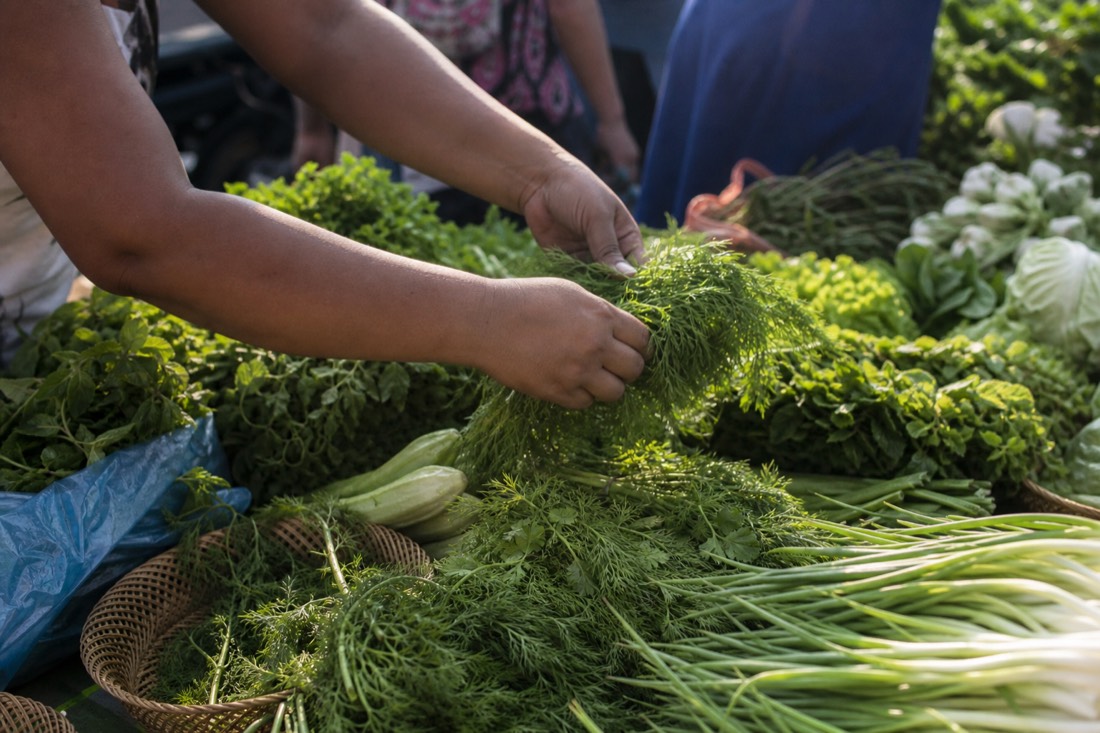
Day two exists because Hanoi's two most-reviewed food experiences are not walking tours at all. The army jeep food tour runs street eating and city culture from the back of a vintage GAZ-69 across about four hours, and an afternoon cooking class closes the loop on everything you have been eating, market shopping included, with a vegetarian option available. The cooking classes hub compares the formats if hands-on food is your priority.
Day three is deliberately loose. Banh cuon, steamed rice rolls made to order, is the breakfast the Old Quarter actually queues for after the pho tourists leave. A che stall covers dessert education, sweet beans, jellies and coconut over ice. Coffee gets a serious slot too: a dedicated tasting experience runs six brews and nine recipes in about three hours for anyone the egg coffee converted. Time your visit right, the best time to visit guide has the month grid, and a Friday-to-Sunday day three coincides with the Hoan Kiem walking street, when the lakeside roads go pedestrian from about 7 p.m. Friday.
How many meals can you fit in a day?
Five to six eating stops is a comfortable Hanoi day, because street portions are small by design. A bowl of pho, a banh mi, a bun cha set, an egg coffee, a dessert and a bia hoi snack stop total far less food than three Western restaurant meals. Grazing is the native format.
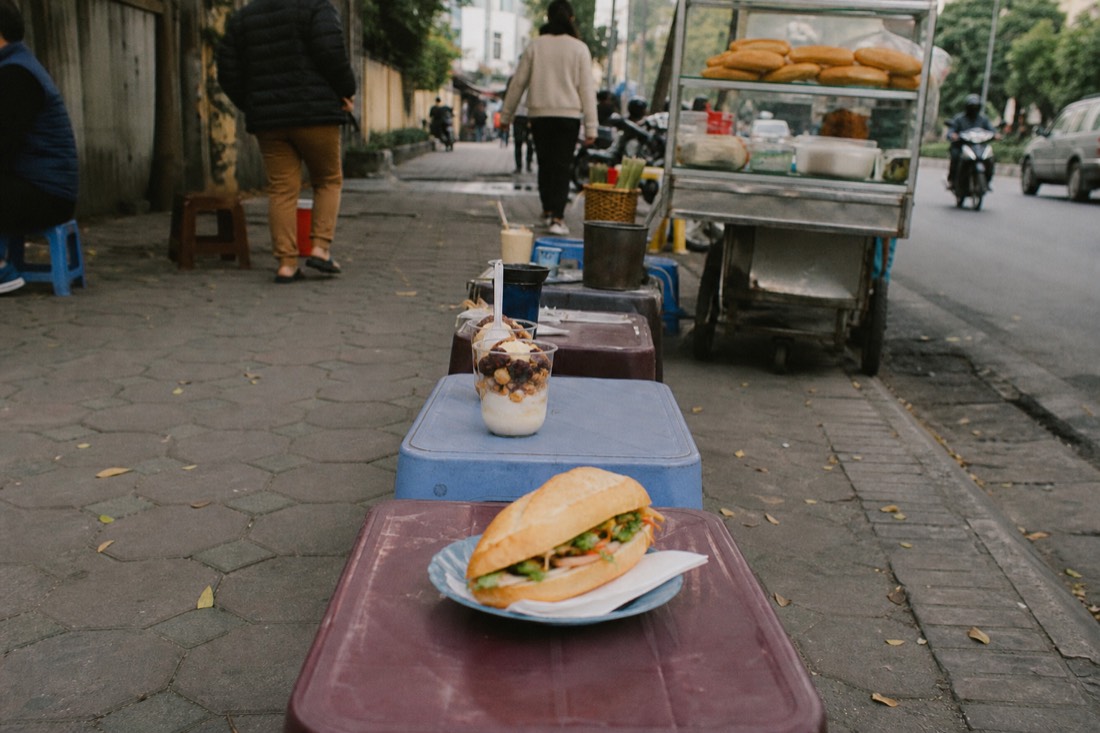
The trap first-timers hit is pacing, filling up at stop two and limping through the afternoon. Locals never order the way tourists do; a pho bowl is finished and the stool surrendered in fifteen minutes, and nobody adds sides. Eat the thing each stall is famous for, only that thing, and move. Hunger management is also why tour operators cap tastings around eight to ten stops in three hours, a pace worth copying solo. One practical note for the grazing strategy: more stops means more stalls, so the five-minute read on stall-picking in the street food safety guide pays for itself on day one.
What does a food day in Hanoi cost?
A committed street-food day lands around 150,000-255,000 VND, roughly 6 to 10 dollars at current rates, covering five or six stops. The documented full range across all eating styles runs about 200,000 to 1,400,000 VND daily, and even the famous splurges, like the 100,000 VND Obama Combo, barely move the total.
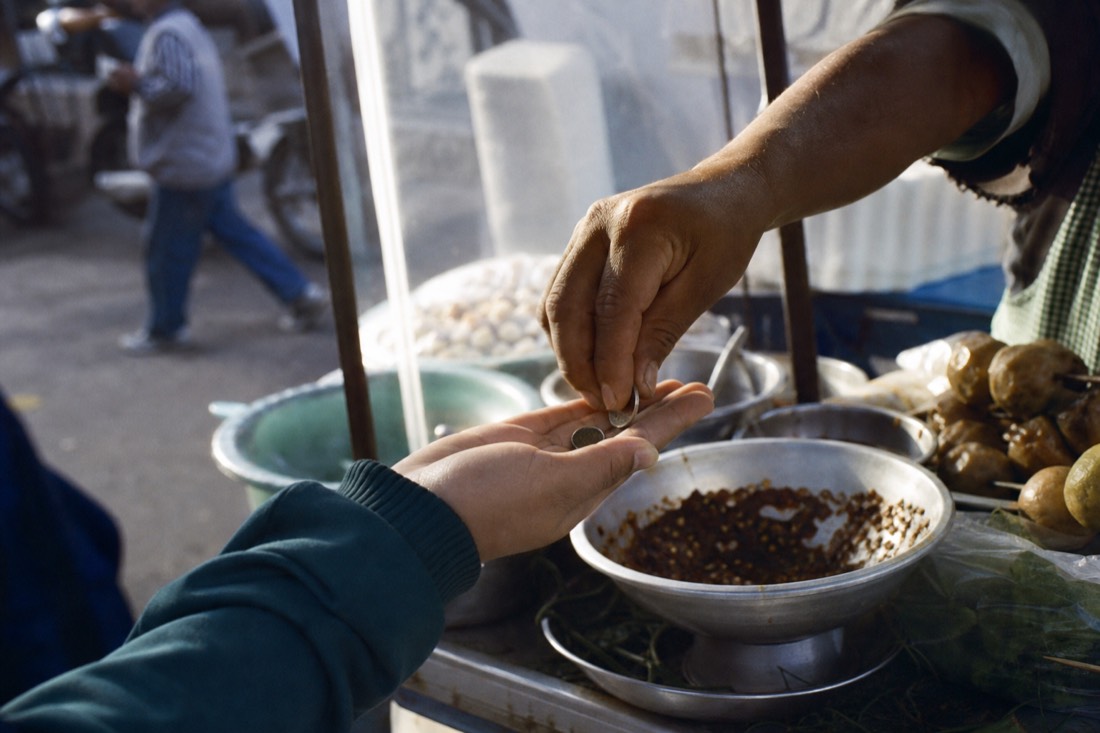
The arithmetic is friendly enough to check on one hand. Sum the day-one ledger above and the day costs less than a single cocktail in most Western capitals. Money simply is not the constraint on eating well here, stomach space is.
| Item | Street price | Note |
|---|---|---|
| Pho, neighborhood | 25,000-35,000 VND | Same bowl, 40,000-50,000 in the Old Quarter |
| Banh mi | 20,000-40,000 VND | The portable snack slot |
| Bun cha set | 40,000-80,000 VND | Lunch anchor |
| Obama Combo, Bun Cha Huong Lien | About 100,000 VND | The famous splurge |
| Egg coffee | 30,000-45,000 VND | Dessert in a cup |
| Bia hoi | 10,000-15,000 VND a glass | Cheapest fresh beer anywhere |
That Obama Combo line is real and still on the menu: bun cha, a fried seafood roll and a Hanoi beer, the meal Obama and Bourdain ate in May 2016, at a restaurant documented along with every venue from that visit. It makes a fitting day-one lunch, and the full story of those meals is its own good hour of reading on the flight over.
How many days in Hanoi is enough?
Three days for a food-focused trip. Day one covers the canon, pho, bun cha, egg coffee and an evening street food walk. Day two fits a jeep tour and a cooking class. Day three goes deeper with banh cuon, che and coffee tastings. Most first-timers plan two to three nights before day trips to Halong Bay or Ninh Binh, and two days covers only the famous dishes.
How much should I budget per day for food in Hanoi?
Around 150,000-255,000 VND, about 6 to 10 dollars, buys a full street-food day of five or six stops including pho, bun cha, banh mi, egg coffee and bia hoi. The documented range across all eating styles runs roughly 200,000 to 1,400,000 VND daily. Budget travelers manage three street meals plus coffee and snacks on 10-15 dollars.
What time should you eat pho in Hanoi?
Early morning, ideally 6:30 to 8:00. Pho is a breakfast dish in Hanoi, made in one morning batch at the best counters, and famous spots can run low before mid-morning. The broth is freshest and the local crowd thickest at dawn. Many vendors serve all day, but the first hours are when the dish is at its peak.
Is one day enough for Hanoi street food?
One day covers the essentials if you follow the local clock: dawn pho, a market graze, bun cha at noon, egg coffee mid-afternoon, then a guided evening food walk hitting several stalls in three hours. You will taste the canon but miss the deeper dishes, banh cuon, che, the coffee culture, which is why three days is the honest recommendation.
Your next Hanoi experience
Check your date before planning the rest of the day
Small-group Hanoi food walk
Taste a changing selection of Hanoi dishes with a local guide in a group of up to eight.
Old Quarter pickup; otherwise 41 Luong Van Can. Food tastings and a drink included. Menu varies; dietary requests need advance confirmation.
An editorial starting point. Confirm your party’s requirements with the operator.
Choose a date to see scheduled departures. Final availability and price are confirmed on Viator.
No verified option fits those requirements. Adjust your choices or reset to explore the general recommendations.
Compare options, fit your schedule & check your budget
Small-group Hanoi food walk · 3h. Taste a changing selection of Hanoi dishes with a local guide in a group of up to eight. Old Quarter pickup; otherwise 41 Luong Van Can. Food tastings and a drink included. Menu varies; dietary requests need advance confirmation.
Rose Kitchen market and cooking class · 4.5h. Shop at a local market, cook a selected Vietnamese menu and share the meal in a garden-villa kitchen. Allow 4–4.5 hours depending on option. Menu choices vary; pho or bun cha must be selected. Check pickup option. Vegan menu available by arrangement.
Hanoi six-brew coffee workshop · 3h. Make and compare phin, egg and coconut coffee with an English-speaking coffee host. Three hours; ingredients, equipment and snacks included. Travel to the Hoang Hoa Tham meeting point yourself. Some tastings contain alcohol; confirm alternatives and child participation.